
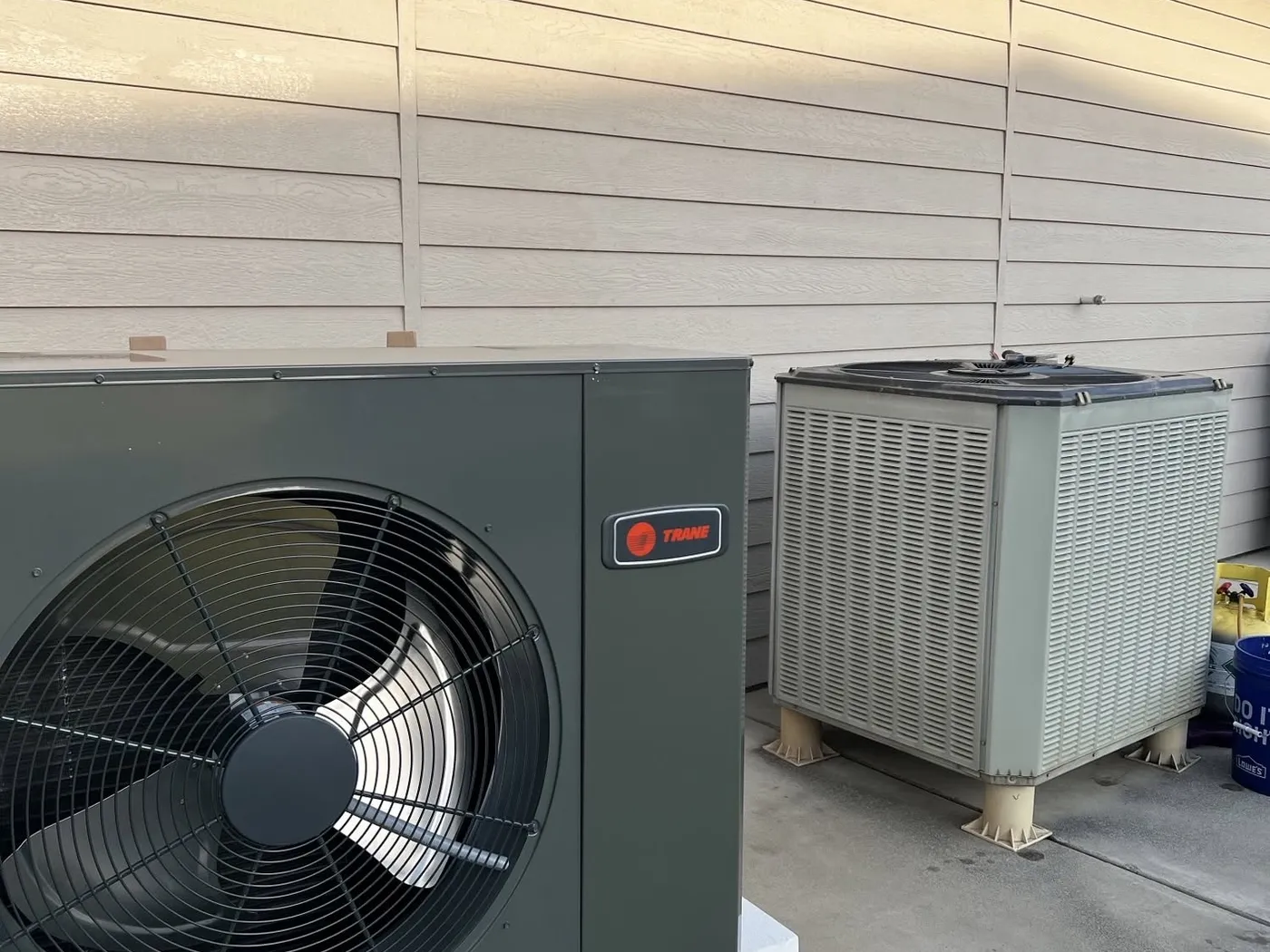
How a heat pump heats
A heat pump doesn’t make heat by burning fuel or heating a coil. It moves heat that’s already in the outdoor air into your home, even when that air feels cold. Because it moves heat instead of creating it, a heat pump can deliver two to three or more units of heat for every unit of electricity it uses in mild weather. Electric baseboard or furnace heat strips deliver one.
What happens when it gets cold
As the temperature drops, there’s less heat to collect, so a heat pump’s capacity and efficiency fall. Older, single-speed heat pumps leaned on electric backup heat once temperatures got near freezing.
Today’s variable-speed heat pumps are a different machine. Many keep heating effectively well below freezing, and models built for cold climates are designed to work in single digits and below. Tri-Cities winters are usually milder than that, with occasional cold snaps, which makes a heat pump a good fit for most homes here.
Backup heat: strips or a furnace
Every heat pump system needs a plan for the coldest days:
- Heat pump with an air handler. Electric heat strips in the air handler add heat when the heat pump can’t keep up. Simple and all-electric, but the strips are expensive to run, so you want them on as little as possible.
- Dual fuel. The heat pump is paired with a gas furnace. The heat pump handles most of the season; below a set outdoor temperature, the furnace takes over. It’s a strong option if you already have gas service.
What’s normal on a frosty morning
In cold, damp weather, frost builds up on the outdoor coil. The heat pump periodically runs a short defrost cycle, and you may see steam rising from the outdoor unit and hear the fan stop and start. That’s normal. A unit that stays encased in ice, or never seems to finish defrosting, needs a service call.
Pricing a heat pump
The instant quote prices both a Trane heat pump with an air handler and a Trane dual-fuel system at four efficiency levels. Check with your electric utility, too: utilities in our area have offered heat pump rebates at times, and they change from year to year.